
















Your regular bras and panties start feeling wrong long before the baby bump looks big. Straps dig in, waistbands roll, cups overflow — and you realise you need a practical pregnancy innerwear guide that talks trimester by trimester, not in vague “maternity must-have” lists.
You do not need to buy everything in one shot or only “maternity” labels. With a little planning, you can swap pieces in stages, keep costs sensible and stay comfortable through heat and monsoon drying. Stores like Vnhnaiduhall have fitters who can help you try sizes in person if you feel unsure.
Trimester 1 Innerwear Basics
The first three months are usually more about sensitivity than size. Breasts feel sore, nipples are tender, and underwire or tight bands suddenly feel unmanageable on long office days, so this pregnancy innerwear guide starts with comfort.
This is the right time to shift from very structured bras to softer styles, without jumping straight into a nursing bra. Think of it as Phase 1 comfort planning with stretchy bands and gentler fabrics while you watch how your size changes week by week.
Maternity Bra When To Buy In Early Pregnancy
If your current cups still hold you well but the band feels tight, move one step at a time. A common question is maternity bra when to buy. For many women, a proper maternity or nursing bra can wait till late second trimester, once size settles a bit.
-
Switch to cotton-rich bras: They reduce irritation when you already feel bloated and warm in Indian summers.
-
Look for wider straps: They spread pressure, so shoulders hurt less during long desk hours.
-
Choose 2–3 soft bras: Non-wired T-shirt or full-coverage cups give support without poking.
If you like to sleep in a bra, add one light bralette or sports-style bra only for home and night. Save the full maternity buy for later, when your fitter can measure again and update this personal pregnancy innerwear guide for you.
Pregnancy Innerwear Guide For Trimester 2
By the fourth or fifth month, your bump is visible, ribcage has expanded a little, and many women need a new bra size altogether. This is also when waistbands on old panties start cutting across the lower belly and your pregnancy innerwear guide moves from small tweaks to real size changes.
Use this window to book a proper bra fitting and plan your next six to eight months of innerwear calmly instead of panic-buying before delivery.
Upgrading Bras For Growing Breasts
In second trimester, you often move to your true maternity size. A practical approach is to buy styles that can double as nursing bras later, so you are not buying twice in one year or ignoring your own pregnancy innerwear guide when planning.
-
Get measured: Ask for help in-store once now and repeat around month eight, as recommended by experienced bra fitters at Vnhnaiduhall.
-
Pick 3–4 everyday bras: Prioritise breathable cotton or cotton blends for our climate.
-
Leave space for nursing pads: Cup should sit smooth even with a thin pad inside.
Some women prefer front-open cups, others like stretchable full-coverage cups without any opening yet. The key is a firm band, smooth cups and no pinching when you sit, bend or climb stairs through your workday.
Maternity Panty Guide For Second Trimester
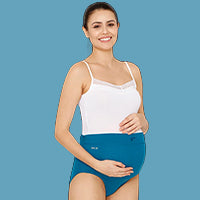
Along with bras, you now need a clear maternity panty guide that suits Indian weather, not just catalogue pictures. Elastic sitting exactly on the bump can cause irritation by evening, especially in humid cities like Chennai, Mumbai or Kolkata.
-
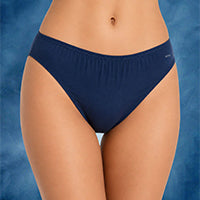
Under-bump styles: Good for warm weather if you dislike fabric over the belly; check they do not roll down.
-
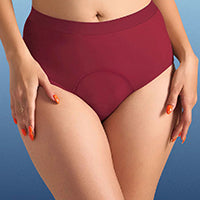
Over-bump styles: Give a hugged feeling and smoother line under kurtis, but can feel warm in peak summer.
-
High cotton content: Helps with discharge and sweating; dries faster in monsoon than heavy synthetics.
Keep 6–8 comfortable panties in rotation so you are not hand-washing every night. On heavier discharge days, some women add a thin pantyliner and change more often; this part of a pregnancy innerwear guide is easy to forget.
Third Trimester Innerwear And Hospital Bag
By the seventh month, your size is close to what it will be at delivery. This is when you finalise nursing-friendly bras, extra panties and nightwear that works with feeding access, guided by a practical pregnancy innerwear guide and your own hospital’s stay length.
Think about your hospital stay, back-home confinement and how often you can wash and dry clothes during monsoon; Vnhnaiduhall staff can help you make a simple list.
Building A Practical Nursing Bra Set
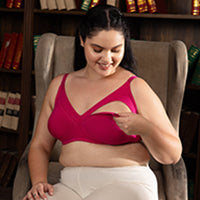
For late pregnancy and after delivery, focus on nursing access and easy washing. Soft cups with clips or crossover fronts work better than very padded styles, because they dry quicker and suit changing sizes.
A simple checklist helps many first-time mums:
-
3–4 nursing bras: Mix of daywear and softer sleep bras, all with good side support.
-
At least 8 panties: Some women prefer darker colours during the first few weeks after birth.
-
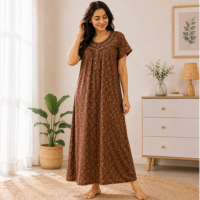
1–2 feeding nighties: Look for front openings that you can manage one-handed at night.
Near your due date, recheck the band and cup fit once more.
What To Wear Pregnant India For Climate And Culture
Comfort in India is not just about size. Heat, humidity, long travel and family norms all affect what feels practical. So when you think about what to wear pregnant India, start from your daily routine and use this as your pregnancy innerwear guide for real life.
Office-goers in formal salwar suits or sarees have different needs from teachers on their feet all day or women working from home in cotton maxi dresses.
Fabrics, Coverage And Daily Wear
For most Indian women, cotton-rich innerwear under breathable kurtis or sarees works well. Synthetic-heavy fabrics trap sweat, which can cause itching under the bust and along panty lines, especially in long Chennai or Mumbai summers.
-
Cotton cups and gussets: Keep sensitive areas drier during crowded train or bus rides.
-
Smooth, non-lacy cups: Sit better under office blouses and do not show through thin kurtis.
-
Mid-coverage panties: Match both maternity jeans and everyday churidars without digging in.
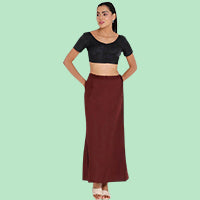
On festival days or family functions, you may need saree-friendly options. In those cases, look for saree petticoats and blouses that allow a slightly higher-coverage bra without squeezing the ribcage, and follow your pregnancy innerwear guide for colour matching.
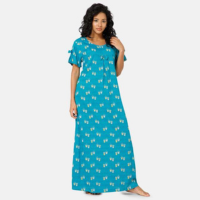
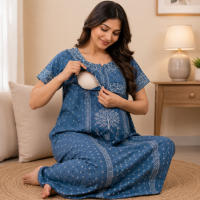
If you expect guests all day after delivery, front-open nighties or kurtis with feeding zips can give privacy while keeping feeding easy and comfortable for you.
Caring For Pregnancy And Nursing Innerwear
Good innerwear lasts through pregnancy and into breastfeeding only if you care for it properly. Pregnant bodies sweat more, and nursing adds milk leaks to the washing load, so careless washing damages elastic quickly.
A few small habits keep your bras and panties supportive for longer, and any pregnancy innerwear guide should highlight these basics.
-
Use mild detergents: Strong powders and hot water weaken elastic bands and straps.
-
Hand-wash when possible: Or use a lingerie bag and gentle cycle in the machine.
-
Dry in shade: Strong sun can make cotton stiff and elastic brittle.
Wash nursing bras soon after a leak so stains do not set. During monsoon, rotate more pieces and avoid drying over open balconies where pollution or damp smells cling to fabric.
Conclusion
Pregnancy innerwear does not have to be a big, confusing shopping list. Trimester-wise planning turns this pregnancy innerwear guide into a simple plan: softer bras first, then maternity sizing, then nursing access and a few more panties.
Listen to your body, factor in Indian weather and your daily routine, and replace pieces slowly instead of in a rush. A fitter at Vnhnaiduhall can help you check sizes before you buy, so each piece supports you through this season and into early motherhood.
Frequently Asked Questions
Q1. How Many Maternity Bras Do I Really Need?
Ans: Most women manage well with 3–4 maternity or nursing bras: two for daily rotation, one spare and one softer piece for sleep or home. If you leak often or live in a humid city, keep five so you are not forced to wash every night.
Q2. When Should I Switch From Normal To Maternity Bras?
Ans: Change when your usual band feels tight, straps dig in or cups spill, commonly by early second trimester. First try softer non-wired bras, then shift to maternity or nursing styles once your size feels stable between months five and seven.
Q3. Do I Need Special Panties During Pregnancy?
Ans: You mainly need panties that sit comfortably under or over the bump without digging in. Many women choose cotton-rich, under-bump or over-bump cuts, often one size up, and keep at least 6–8 pieces ready for easy, hygienic rotation.
Q4. Can I Wear Underwired Bras While Pregnant?
Ans: Underwired bras are not always off-limits, but the fit must be exact. Wires should sit flat on the ribcage, not on breast tissue. As ribcage and breast shape change, many women shift to non-wired styles for easier movement and daily comfort.
Q5. How Do I Know If A Pregnancy Bra Fits Correctly?
Ans: A well-fitting bra has a level band, smooth cups without spillage or gaping, and straps that do not dig in. You should slide two fingers under the band and raise your arms without the bra riding up or breast tissue spilling out.
Shop the maternity collection at VNH Naidu Hall: https://vnhnaiduhall.com/pages/search?q=maternity Shop the bra collection: https://vnhnaiduhall.com/collections/bra-for-women